
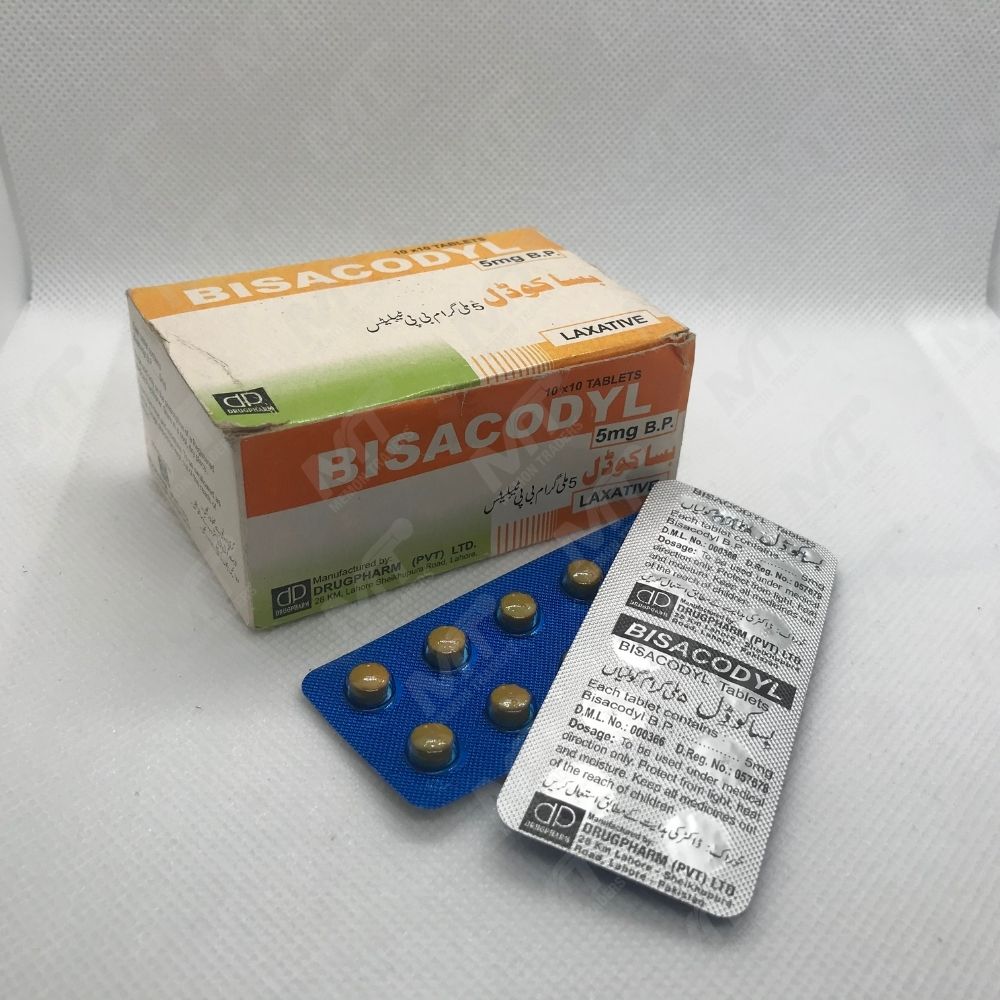
Description
Bisacodyl: A Stimulant Laxative for Constipation ReliefWhat Is Bisacodyl?
Bisacodyl is a commonly used stimulant laxative. It is prescribed to relieve constipation by promoting bowel movements. Let’s explore its benefits and usage:
How Does Bisacodyl Work?
Stimulating Intestinal Movement:
Bisacodyl stimulates the muscles in the intestines, increasing their activity.
This enhanced movement helps propel stool through the digestive tract, making it easier to pass.
Indications:
Constipation: Bisacodyl is primarily used to treat constipation.
Bowel Preparation: It is also employed to clean out the intestines before medical procedures (such as colonoscopy) or surgery.
Forms of Bisacodyl:
Oral Tablets: Bisacodyl tablets are taken by mouth.
Suppositories: Bisacodyl suppositories are inserted into the rectum for faster action.
Usage Guidelines:
Consult Your Healthcare Provider:
Always consult your doctor before using Bisacodyl.
They will recommend the appropriate dosage and duration based on your specific needs.
Dosage:
The typical adult dosage ranges from 5 mg to 15 mg orally or as a suppository.
Follow your doctor’s instructions carefully.
Timing:
Take Bisacodyl at bedtime or as directed by your healthcare provider.
It usually produces results within 6 to 12 hours.
Hydration and Diet:
Stay hydrated and consume a balanced diet with fiber to support regular bowel movements.
Precautions:
Avoid Long-Term Use:
Prolonged use of stimulant laxatives like Bisacodyl can lead to dependence.
Use it only as recommended by your doctor.
Side Effects:
Common side effects include abdominal cramps, diarrhea, and nausea.
If you experience severe discomfort, contact your healthcare provider.
Not for Chronic Constipation:
Bisacodyl is not suitable for chronic constipation or as a daily solution.
Address underlying causes of constipation with lifestyle changes and dietary adjustments.
Remember that Bisacodyl is a short-term solution for occasional constipation. If you have persistent issues, consult your doctor for a comprehensive evaluation and personalized advice.
Disclaimer: This article provides general information and should not replace professional medical advice.